What Is Search Engine Positioning: Meaning, Examples, and How to Improve It
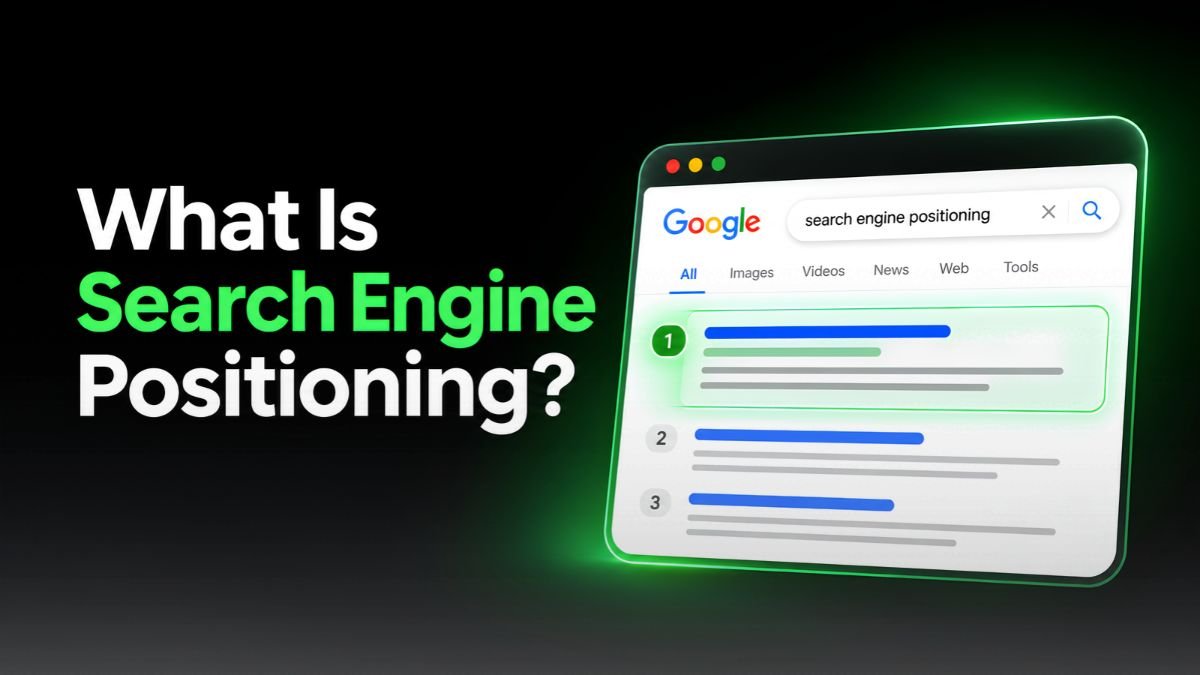
Suppose a prospect searches “SaaS onboarding checklist.” Your website has one relevant guide that shows up in position 14, on page two. A competitor’s thinner page sits at position 3 and gets the click. That gap is what search engine positioning is about.
Search engine positioning is the practice of improving where specific pages appear in search results for specific queries. It is a focused part of SEO. Instead of growing traffic in general, it targets better positions for pages that already rank.
So how do you measure your positions and move them up? This guide explains search engine positioning, shows an example, and walks through steps to improve it.
Key Takeaways
- Search engine positioning means improving where individual pages rank for specific search queries.
- It is part of SEO, but it focuses on moving existing pages up rather than broad growth.
- Google Search Console reports the average position of your top result for each query.
- Google says it does not accept payment to rank pages higher in organic results.
- Results can vary by location, language, and device, so positions aren’t fixed numbers.
What Is Search Engine Positioning?
Search engine positioning is the work of improving a page’s rank for a chosen keyword. The word “Position” refers to the spot where your page appears in the results, such as 1, 5, or 12. Search engine positioning is a narrower part of search engine optimization (SEO). SEO covers everything that helps a site appear in search. Positioning focuses on specific page and keyword pairs.
Here’s how search engine positioning differs from SEO.
| Factor | SEO | Search Engine Positioning |
|---|---|---|
| Scope | Whole site | Specific pages and keywords |
| Main goal | More visibility and traffic overall | Higher positions for chosen queries |
| Typical work | Technical setup, content, links | Page upgrades, intent fixes, internal links |
| Key metric | Organic traffic and conversions | Average position and clicks per query |
How Does Google Decide Search Positions?
Google ranks pages using automated systems. It does not sell organic positions. Google’s guide to how Search works says ranking is done programmatically. The same guide says hundreds of factors affect relevance. These include the user’s location, language, and device. That is why the same query can show different results in different cities.
Google’s ranking systems guide describes several systems that shape results:
- Language systems: BERT, neural matching, and RankBrain help Google understand meaning and intent.
- Link analysis: Google studies how pages link to each other, including through PageRank.
- Passage ranking: Google can judge relevance from individual sections of a page.
- Original content systems: These favor original reporting over pages that only repeat it.
How Do You Measure Search Engine Positioning?
The most reliable free source for your positions is Google Search Console. Its Performance report shows clicks, impressions, click-through rate, and average position. You can group the data by query, page, country, and device.
Here is how to use it:
- Open the Performance report and turn on the Average position metric.
- Filter by a page you want to improve.
- Sort queries by impressions to find terms where many people see you.
- Look for queries in positions 4 to 20. These often have room to grow.
Rank tracking tools can also check positions daily. Keep in mind that a tool’s single check may differ from what users see.
How to Improve Search Engine Positioning?
You can improve search engine positioning by making the page a better answer than the pages above it. Here are some steps that can help.
1. Match the Search Intent
Search the keyword and study the top results. If they are step-by-step guides and yours is a sales page, rework the format to fit.
2. Upgrade the Content
Google’s helpful content guidance asks whether a page adds original information or analysis. It also asks if the page offers more value than other results. Add examples, data, clear steps or a missing subtopic.
Need help with content quality? Explore our SaaS Content Writing Services.
3. Improve Titles and Snippets
A clearer title and description can raise click-through rate. Look for queries with many impressions but low clicks in Search Console.
4. Strengthen Internal Links
Link to the page from related posts using descriptive anchor text. Google’s SEO Starter Guide says link text should describe the target page.
5. Earn Relevant Backlinks
Links from relevant, trusted sites can help. Google’s ranking systems guide says link analysis is still part of how it understands pages. Avoid paid links that pass ranking credit, which Google’s spam policies treat as link spam.
6. Fix Technical Problems
Make sure the page is crawlable, indexable, loads well, and works on mobile. A strong page cannot rank if Google cannot access it.
At SaaS SEO Agency, our own process for SaaS clients has five steps.
- We research
- Find the opportunities
- Build the strategy
- Execute the strategy
- Measure and improve
Pages already close to the top often get attention first, because small upgrades there can show results sooner.
Common Search Engine Positioning Mistakes
Various search engine positioning mistakes, like cloaking, can hurt your website. Avoid cloaking in SEO and the following mistakes.
- Watching one rank check: Positions vary by location and device, so look at trends.
- Chasing only position 1: Clicks and conversions matter more than a single number.
- Changing too much at once: Make clear changes, then give them time before judging.
- Buying ranking promises: Google says it does not sell organic rankings.
Improve Website Rankings With SaaS SEO Agency
Moving pages from page two to page one can be a quick SEO win for a SaaS site. Our published growth examples include SuperHumanizer.ai, which reached more than 600K monthly organic visitors. SaaS SEO Agency finds pages close to the top and plans updates to content, links, and structure. We also offer SaaS link building for pages that need more authority.
No honest agency can promise a set position, since Google ranks pages programmatically. What we can do is focus effort where your data shows the best chance.
Frequently Asked Questions
What is an example of search engine positioning?
A SaaS blog post ranks at position 11 for “customer onboarding checklist.” The team adds a downloadable checklist and better internal links. The aim is to move it into the top results.
Can I pay Google to improve my organic position?
No. Google says it does not accept payment to rank pages higher in organic results. Paid ads appear separately and are labeled.
What is search engine positioning software?
These are rank tracking tools that check where your pages appear for chosen keywords. Google Search Console is a free option that reports average position.
Why does my position change every day?
Results can vary by location, language, and device. Google also updates its systems. Look at trends over weeks rather than daily changes.
What is a search engine positioning service?
It is an SEO service focused on improving rankings for specific pages and keywords. Look for a provider that explains its methods and avoids ranking promises.
Final Thoughts
Search engine positioning is the work of moving specific pages higher for specific searches. Measure positions in Search Console, focus on pages close to the top, and make each one a better answer. Match intent, upgrade content, strengthen links, and fix technical issues.
Have pages stuck on page two? Talk to a SaaS SEO specialist.