What is a B2B Saas Company?
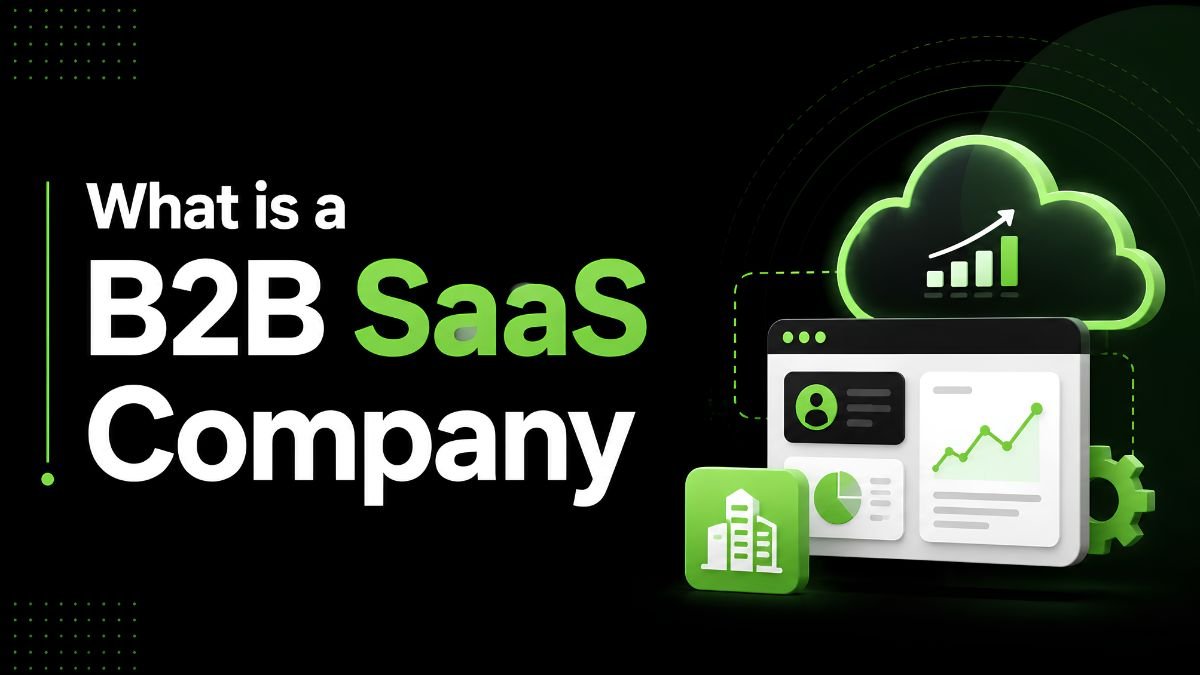
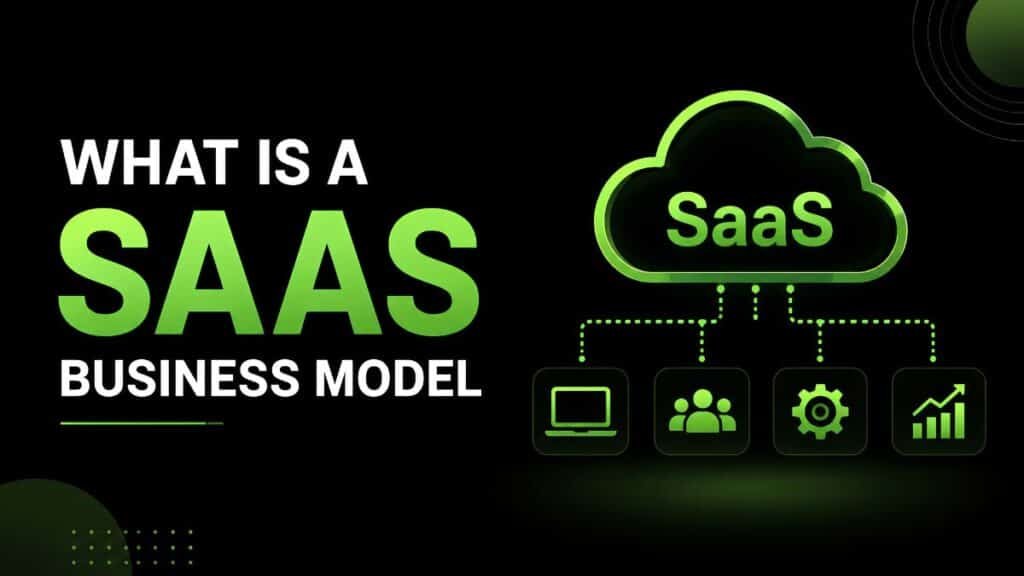
A B2B SaaS company is a business that creates business-to-business software as a service products. A B2B SaaS company develops cloud-hosted software that other companies can use, rather than making a single purchase of installed software on company computers or servers.
B2B (Business-to-Business) refers to one business selling products or services to another business.
SaaS (Software as a Service) means software hosted on the cloud that people use through the internet.
A B2B SaaS software is delivered over the internet mostly through a subscription. Customers subscribe and pay monthly or yearly to use the software. Some free utilities are also available, but with limited functionality. Common examples of B2B SaaS companies include Slack, Salesforce, HubSpot, Zoom, and Zendesk.
How Does a B2B SaaS Company Work?
A B2B SaaS company hosts its software on cloud servers. You do not need to install the software on your own systems. Mostly, you access it online through a web browser or a dedicated app.
Here is how it works.
- You sign up for an account.
- You choose a subscription plan.
- You log in through a web browser or mobile app.
- The provider handles updates, security, backups, and maintenance.
- You simply use the software whenever you need it.
Since the provider manages everything behind the scenes, your team can focus on work instead of managing software.
Main Parts of a B2B SaaS Company
The SaaS market continues to grow as more businesses move to cloud software. Every B2B SaaS company has a few important parts.
Cloud Infrastructure
The software isn’t running on some sort of “On-premise” (server on your company’s physical site). Instead, it runs on a cloud-based host such as:
- Amazon Web Services (AWS)
- Microsoft Azure
- Google Cloud
Using cloud services helps keep the software fast. Customers’ credentials and information remain secure. Above all, the utilities are accessible virtually from any location on Earth.
Subscription Pricing
Most B2B SaaS products use subscriptions. You may pay monthly, yearly, per user, or based on storage or usage. This gives you more flexibility than buying software with a high upfront cost.
Automatic Updates
This is also much better, as you get new features and fixes as you need them. The provider includes the latest features for you. You do not have to bother updating and patching systems. Everyone gets the latest version of software.
Security
Good SaaS companies work hard to protect customer data. They use data encryption and multi-factor authentication. Some also follow standards like GDPR, HIPAA, or SOC 2, depending on the industries they serve.
APIs and Integrations
Some businesses make use of a variety of software solutions. APIs allow different software platforms to exchange data automatically.
A real-life example would be your CRM sending client information to your accounting software or a marketing automation service.
Common Features of B2B SaaS Companies
Most B2B SaaS companies share several features.
- Cloud-based software
- Subscription pricing
- Automatic updates
- Remote access
- Easy scaling
- Data backups
- User management
- Analytics dashboards
- Customer support
- Third-party integrations
These features help businesses save time and work more efficiently.
Types of B2B SaaS Companies and Examples
Many companies use Saas products.
| Category | Example |
| Customer Relationship Management (CRM) | Salesforce |
| Marketing automation | Hubspot |
| Project management | Clickup |
| Team communication | Slack |
| Customer support | Zendesk |
| Accounting | QuickBooks |
| Graphic design | Canva |
| File storage | Dropbox |
| Video Meeting | Zoom |
Each product solves a different business problem.
Benefits of Using a B2B SaaS Company
Businesses choose SaaS for many reasons. We conducted a small survey online and asked various B2B SaaS customers on LinkedIn. Based on their answers, the following are the most common benefits of working with a B2B SaaS company.
Lower Costs
You normally pay for access on a monthly/annual subscription instead of getting software & hardware bought outright. This enables budgeting as the payment is more manageable.
Easy to Scale
Typically, you can add users as you scale your business, or the option to get a more comprehensive plan. Should you need to scale down, we also let you migrate to a smaller size.
Access from Anywhere
You only need an internet connection. Your team can work from the office, home, or while traveling.
Automatic Maintenance
Updates to server security are handled by the vendor. They can concentrate on what THEY should do. IT departments have less on their plates.
Better Collaboration
Many SaaS tools let teams work together in real time. People can share files, leave comments, and track changes from one place.
Built-In Analytics
Many platforms include reports and dashboards. These help you understand how your team uses the software and where you can improve.
AI Features
Many modern SaaS products now include artificial intelligence.
AI can help you:
- Answer customer questions
- Write emails
- Suggest actions
- Find useful insights
- Automate repetitive tasks
These features help your team work faster.
Challenges of B2B SaaS
B2B SaaS has many benefits, but it also has a few challenges.
Internet Dependence
You usually need an internet connection to use cloud software.
Vendor Lock-In
Moving from one SaaS provider to another can take time. You may need to move large amounts of data.
Limited Customization
These SaaS products may not be a deeply customizable solution due to the number of clients using the same service from one source.
Compliance Requirements
Companies dealing with health and financial data have numerous compliance concerns.
B2B SaaS vs Traditional Software
| Feature | B2B SaaS | Traditional Software |
| Installation | Usually not required | Required |
| Updates | Automatic | Manual |
| Pricing | Subscription | Large upfront payment |
| Maintenance | Provider | Customer |
| Access | Anywhere | Usually local |
For most businesses, SaaS offers more flexibility and lower maintenance
How Do B2B SaaS Companies Make Money?
Most companies earn money through subscriptions. Common pricing models include:
- Monthly plans
- Annual plans
- Per-user pricing
- Usage-based pricing
- Tiered plans
- Freemium plans
- Enterprise contracts
Some companies also sell premium support, extra storage, or advanced features.
The B2B SaaS Customer Journey
Most customers follow a similar path.
- Learn about the product.
- Visit the website.
- Start a free trial or request a demo.
- Buy a subscription.
- Complete onboarding.
- Use the software every day.
- Renew the subscription.
- Upgrade to a larger plan.
- Recommend the product to others.
Good SaaS companies try to improve every step of this journey.
Trends Shaping B2B SaaS
The SaaS industry keeps changing. Some important trends include:
- AI-powered software
- Industry-specific SaaS products
- Low-code and no-code platforms
- More API integrations
- Usage-based pricing
- Better cloud security
- Hybrid cloud environments
These trends help businesses become more productive while keeping costs under control.
If you run a B2B SaaS company, SaaS SEO Agency can help you attract potential customers through organic search.
Conclusion
A B2B SaaS company develops cloud software sold to other companies. So rather than installing it locally on computers. You would typically sign up for an account and get access via the internet with a monthly payment.
Since the prevalence of artificial intelligence and cloud computing will undoubtedly continue to spread, B2B SaaS firms are set to become a bigger part of the way companies conduct business.
If you’re a part of a startup, a large corporation, or anything in between. Then you almost certainly already use multiple B2B SaaS products daily without realizing it.
Frequently Asked Questions
What does B2B SaaS stand for?
B2B SaaS stands for Business-to-Business Software as a Service. It refers to cloud software that businesses sell to other businesses.
Is Microsoft 365 a B2B SaaS product?
Yes. Microsoft 365 is a SaaS product because you use it through the cloud with a subscription.
Why do businesses prefer SaaS?
Businesses prefer to use Software as a Service (SaaS). Because of the reduction in up-front expenses, automatic updates, enabled remote working, and its ease of scaling with business growth.
Is Netflix a SaaS company?
Typically, Netflix isn’t considered a SaaS company. It’s a Subscription-based streaming service, and while its subscription model resembles SaaS in many ways, it entertains as opposed to business software.